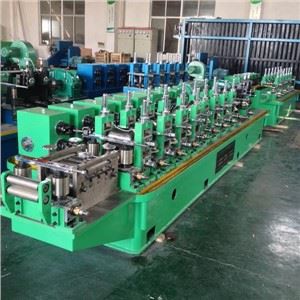
Founded in 2006, XFX Tube Mill Machinery Co., Ltd. has become one of the most professional and experienced ERW pipe mill manufacturers in China.
Why Choose Us
Rich Experience
With more than 10 years of designing and manufacturing experience, XFX can provide customers with high-quality steel pipe-making machines, advanced technical solutions, and high-quality services.
Wide Product Range
Our products include steel tube mills, ERW pipe mills, steel pipe making machines, MS pipe making machines, steel pipe manufacturing machines, tube mill rolls, steel pipe mills, etc.
Professional Sales Team
We have a professional sales team to support our customers with suitable pipe mill machine model selection, workshop designing, raw material(strip coil) supplier contracting, and contract signing.
Global Sales Network
Our products are sold to the domestic market and exported to overseas markets mainly in Thailand, Philippines, Cambodia, Vietnam, Russia, India, Sri Lanka, South Korea, Indonesia, Laos, Turkey, Morocco, Pakistan, Egypt, Angola, Benin, USA, etc.


Brief Introduction to ERW Pipe Mill
ERW pipe mill is a critical component of the steel manufacturing industry, producing high-quality pipes for a range of applications. The electric resistance welding process used in ERW pipe mills ensures uniformity and consistency in the pipes produced, making them suitable for industries where pipe integrity is paramount. The process of manufacturing ERW pipes is highly automated, with minimal human intervention required. This automation reduces the risk of human error and ensures a consistent, high-quality product. The production process is also highly efficient, with high production rates and minimal waste.

ERW (electric resistance welding) pipe mills are machines used to manufacture welded pipes and tubes in various sizes, shapes, and lengths. The working principle of an ERW pipe mill is based on the electric resistance welding process. The first step in the ERW pipe mill is to uncoil steel strips from the coil storage section and feed them into the mill. Next, the steel strips go through a leveling machine that flattens and straightens them. After leveling, the strips are cut to the required length and the two ends are prepared for welding. A high-frequency current is then passed through the edges to generate heat, which melts the steel, and the two edges are pressed and welded. The welded strip is then passed through a series of rollers that gradually bend it into the required shape and size. The next step involves passing the formed pipes through another set of welding rollers that ensure a smooth and continuous weld. The pipes are also sized to the required diameter. The final step is cooling the welded and sized pipes and cutting them to the required length using a saw.
Advantages of ERW Pipe Mill
Strong and Durable Pipes
ERW pipes produced by ERW pipe mills are known for their excellent strength and durability. The electrical resistance welding process results in a solid bond between the edges of the steel strip or coil, ensuring a strong and reliable seam throughout the length of the pipe.
Wide Range of Steel Grades
ERW pipe mills can handle different grades of steel, including carbon steel, alloy steel, and stainless steel. This flexibility allows for the production of pipes that meet specific mechanical, chemical, and dimensional requirements for various applications.
Straightness and Roundness Control
ERW pipe mills are capable of producing pipes with high precision, ensuring excellent straightness and roundness. This is essential for applications that require tight tolerances and smooth flow, such as in plumbing and fluid transportation systems.
Suitable for Both Small and Large Diameters
ERW pipe mills can produce pipes with small and large diameters, making them suitable for a wide range of applications. The adjustable tooling and production parameters allow for the production of pipes with diameters ranging from a few millimeters to several meters.
Application of ERW Pipe Produced by ERW Pipe Mill
Construction Industry
ERW pipes produced by ERW pipe mills are commonly used for water supply and drainage systems, gas pipelines, and structural support columns. ERW pipes are popular due to their affordability and strength, making them ideal for use in construction projects.
Oil and Gas Industry
ERW pipes produced by ERW pipe mills are widely used in the oil and gas industry to transport oil and gas from drilling sites to refineries. They are used for both onshore and offshore applications and are popular due to their resistance to corrosion and durability. ERW pipes are also used for oil and gas pipelines, drilling casings, and refineries.
Automotive Industry
ERW pipes produced by ERW pipe mills are used in the manufacturing of automobiles, bicycles, and other vehicles. They are commonly used for exhaust systems, frames, and suspension components due to their strength and durability. ERW pipes are also used for air conditioning and heating systems in vehicles.
Agriculture Industry
ERW pipes produced by ERW pipe mills are commonly used in the agriculture industry for irrigation systems, greenhouse construction, and fencing. They are popular due to their affordability and strength, making them ideal for use in agricultural applications.
Mining Industry
ERW pipes produced by ERW pipe mills are used in the mining industry to transport materials and equipment. They are used for pipelines, conveyors, and structural support components due to their strength and durability. ERW pipes are also used for water supply and drainage systems in mining operations.
Furniture Industry
ERW pipes produced by ERW pipe mills are used in the manufacturing of furniture such as tables, chairs, and desks. They are used for framing, legs, and other structural components due to their strength and durability. ERW pipes are also used for shelving and storage racks in homes and businesses.
Production Process of ERW Pipe Mill
Coil Unwinding
The process begins with the unwinding of a steel coil, which serves as the raw material for pipe production.
Forming
The steel coil passes through a series of rollers, which gradually shape it into a cylindrical form. The edges of the coil are beveled to facilitate welding.
Sizing
After welding, the pipe is passed through a series of sizing rolls to achieve the desired dimensions and wall thickness.
Electric Resistance Welding
The formed pipe is subjected to high-frequency electric current, which heats the edges of the pipe until they become malleable and form a fusion bond. This process is also known as resistance welding.
Cutting and Finishing
The pipe is cut to the desired length, and the ends may be beveled or threaded, depending on its intended use.
Quality Control
Quality control measures, including non-destructive testing, are employed to ensure the pipe meets the required specifications.
Maintenance Tips for ERW Pipe Mill
ERW tube mills are essential equipment for manufacturing steel pipes, steel pipes of all shapes and sizes. To keep this precision machinery running at peak performance, preventive maintenance is critical. In this article, we will highlight some of the steps plants can take to keep their ERW tube mill machines running at their best.
1.First, the factory can conduct regular inspections of the machine's components for any signs of wear or damage. This includes rollers, bearings, gears and couplings. Any worn or damaged parts should be replaced promptly to avoid further damage to the machine.
2.Second, factories should clean machines regularly to prevent dust and debris from accumulating. Regular cleaning also aids in the early detection of potential problems, as it enables operators to spot any rust or corrosion early on before they escalate and become more serious.
3.Third, the manufacturer's maintenance plan must be strictly followed. This includes checking the machine's fluids regularly and changing them at recommended intervals.
4.Finally, investing in high-quality components and materials for your machine will help to run efficiently and extend the life of your ERW tube mill. In addition to implementing these maintenance strategies, the advantage of using an ERW tube mill in the factory process is that it produces high quality tubes to the standards and specifications required by the customer.
Quality and Durability
Investing in a ERW tube mill is a long-term commitment. It's crucial to prioritize quality and durability. Look for machines constructed from high-quality materials and consider the reputation of the manufacturer.
Automation and Technology
Modern ERW tube mill machines often come with advanced automation features and technology. These can enhance productivity and reduce labor costs. Evaluate whether the machine offers automation options that align with your production needs.
Budget and Cost Analysis
While quality is essential, it's also crucial to stay within your budget. Compare the costs of different machines and consider the long-term return on investment. Sometimes a slightly higher upfront cost can lead to significant savings down the line.
Maintenance and Support
Lastly, don't forget to inquire about maintenance requirements and the availability of technical support. A machine with readily available spare parts and excellent support can minimize downtime and production disruptions.
FAQ
Q: What types of materials can be used in an ERW pipe mill?
Q: What are the different types of ERW pipe mills?
Q: What is the difference between ERW and seamless pipes?
Q: What is the difference between ERW and LSAW pipes?
Q: What is the difference between ERW and SAW pipes?
Q: What are the different types of ERW pipe welding techniques?
Q: What are the factors that affect the quality of ERW pipe welds?
Q: What causes defects in ERW pipes?
Q: How do you prevent defects in ERW pipes?
Q: What is the role of steel quality in ERW pipe production?
Q: What types of steel are used in ERW pipe production?
Q: How is electric resistance welding applied in an ERW pipe mill?
Q: Can an ERW pipe mill produce specialized pipes for high-pressure or corrosive environments?
Q: Is automation available for an ERW pipe mill?
Q: What are the advantages of using ERW pipes over other types of pipes?
Q: Can an ERW pipe mill produce pipes for specialized industries such as oil and gas or construction?
Hot Tags: erw-pipe-mill, China erw-pipe-mill manufacturers, suppliers, factory, Industrial Tube Manufacturing, ms pipe welding machine, Automatic Carbon Steel Pipe Making Machine, 8 carbon steel pipe machine, carbon fiber tube manufacturing process, high frequency tube mill